
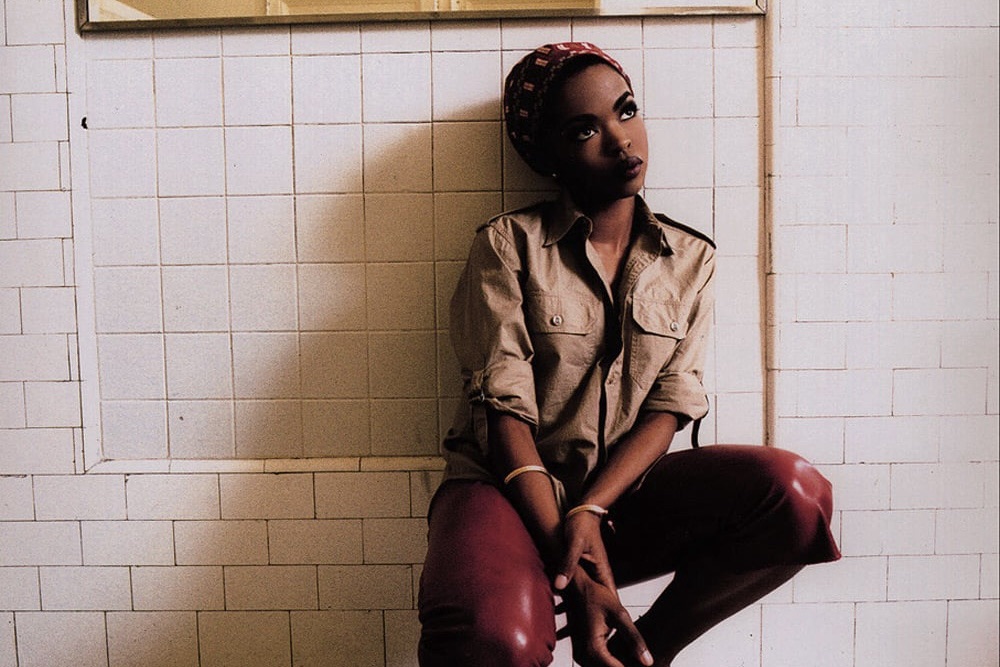
Nearly 28 years after releasing The Miseducation of Lauryn Hill, Lauryn Hill is once again opening up about the pressures that followed one of the most celebrated albums in music history. In a lengthy Instagram statement shared this week, the singer and rapper reflected on why she never released another studio album, pointing to industry pressures, creative exhaustion, and the struggle to protect artistic integrity.
“When you’re inspired and desire to be principled, what doesn’t get talked about enough is the drain… nor the challenge to find safety so that you can create with integrity,” Hill wrote.
Her comments arrive decades after The Miseducation of Lauryn Hill became a defining cultural milestone. Released on August 19, 1998, the album debuted at No. 1 on the Billboard 200 with 422,000 first-week copies sold — then the biggest opening week for a female artist. It later won Album of the Year at the 1999 Grammy Awards, while Hill made history by becoming the first woman to earn five Grammy wins in a single night.
Despite its massive commercial success and enduring influence, Hill suggested the aftermath of Miseducation complicated her relationship with the industry itself.
“Most see opportunity as dollars only and often exclude ‘sense’,” she wrote. “The Score nor The Miseducation were made because we were ‘allowed’ to represent what we did, we fought for every inch. Wild success can cause greed that begins to denegrate the art for the money.”
Hill also pushed back against the longstanding public narrative surrounding her absence from traditional album cycles. Rather than framing her silence as creative stagnation, she described artistry as something that naturally evolves outside industry expectations. “Artists go through phases, creativity requires expression, exploration and experimentation,” she explained.
Elsewhere in the post, Hill made one of her strongest statements yet about the personal and professional resistance she encountered while speaking openly through her music. “I was like a Harriet Tubman figure in some respects running to speak difficult truths to power before certain forces tried to close those doors,” she wrote. “If it was so easy to do, where is that expression now on the world stage? Systems fear what they can’t control. Creativity is most potent when it’s free.”


Leave a Reply