
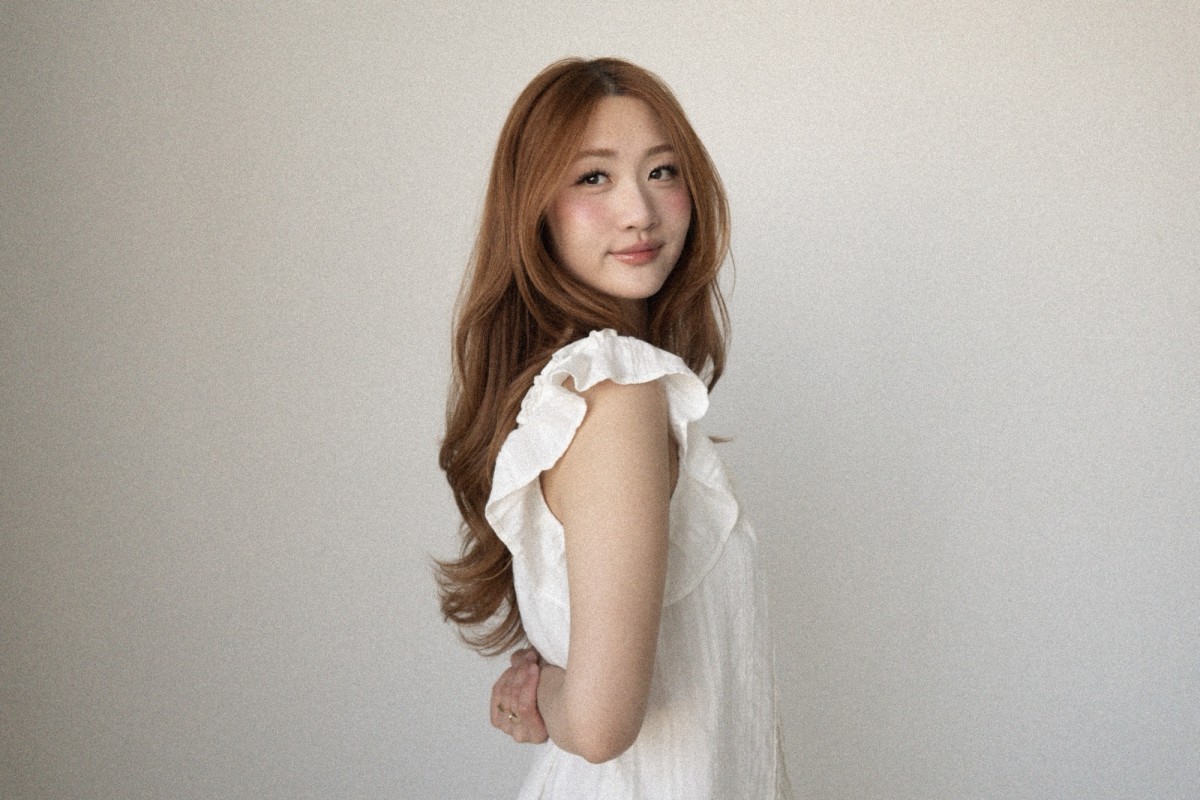
Gabriella Lin has quietly built one of the more compelling stories in indie-pop. With over 6 million cumulative streams across platforms, an international audience, and a songwriting style rooted in emotional honesty, the Los Angeles-based artist continues to carve out a space that feels deeply personal while remaining accessible to mainstream listeners.
Raised between China and New Zealand before later studying at Berklee College of Music, Lin brings a unique perspective to modern pop songwriting. Her music blends diary-like lyricism with polished melodies, drawing influence from both Asian and Western pop traditions. That cross-cultural background has become a defining part of her artistic identity, shaping everything from the way she approaches melody to the emotional language embedded within her songs.
Listeners first discovered that balance through releases like “Biscuit and Tea,” a breakout track that has amassed nearly 100,000 streams on Spotify and helped introduce Lin’s thoughtful songwriting to a wider audience. Since then, she has continued refining a sound that sits comfortably between indie-pop, contemporary pop, and singer-songwriter storytelling.
Her latest single, “Different,” released on April 17, marks another important step in that evolution. Written by Lin and produced by Joshua Cho, with Alex Zhong handling co-production, mixing, and mastering duties, the track explores a side of love rarely celebrated in pop music. Rather than focusing on emotional turbulence or romantic uncertainty, “Different” finds beauty in stability, trust, and emotional security.
Built around warm synth textures, airy melodies, and an intimate vocal performance, the song captures the feeling of finding a relationship that feels grounding rather than chaotic.
Last Friday (June 12), Gabriella returned with another single, “Meet Me at Yours.”
During our conversation, Lin opened up about growing up between cultures, relocating to Los Angeles, her classical training, and how Berklee shaped her approach to songwriting. She also discussed the unexpected success of “Biscuit and Tea,” the creative process behind “Different,” and the challenge of balancing vulnerability with commercial appeal in today’s music industry.
Keep reading for the full interview with Gabriella Lin.

How would you describe your music?
My sound sits between contemporary pop, indie pop, and singer-songwriter music. Rooted in pop songwriting, my music combines catchy melodies with reflective lyricism and soft cinematic production. I blend polished pop sensibilities with diary-like storytelling, often exploring themes of love.
How has growing up between China and New Zealand influenced the way you write melodies, lyrics, and emotional themes in your music?
Growing up between China and New Zealand meant I was constantly exposed to different languages, cultures, and styles of music, and I think that naturally shaped the way I write melodies and express emotion in my songs.
Mandarin and English flow very differently rhythmically. Mandarin is more syllable-based and tonal, whereas in English there could be multiple syllables in just one word and a different rhythmic feel, so over the years I have developed an awareness of how I want melodies to move depending on the language and audience I am writing for. I also think there is a huge emotional difference between Asian and western music. Asian pop music often focus more on delivering the emotions melodically, while western pop tends to focus more on rhythm, groove, and structure. Being exposed to both gave me the opportunity to take elements from each style and combine them in a way that feels natural to me. I think that balance has really shaped my identity as a songwriter, and overall it has been a very positive influence on my music.
Since relocating to Los Angeles, how has the city influenced your songwriting, creative process, and artistic direction?
Since relocating to Los Angeles, I have had a lot more access to people who are actively involved in the music industry and to everything happening creatively around me. I have had the opportunity to collaborate with artists, producers, and creatives I really admire, many of whom have years of experience that I have been able to learn from. Being exposed to different perspectives and different sides of the industry has definitely given me a new sound and approach to my songwriting and my overall artistic direction.
How did your background in classical training and songwriting education shape the way you approach music today?
I think my classical training definitely gave me a strong sense of discipline and the high standards I hold myself to in everything I do musically today, which has been incredibly beneficial. Spending years in that environment taught me consistency, attention to detail, and how to constantly push myself creatively and technically. My songwriting education at Berklee College of Music gave me almost like an expanded creative toolkit. It exposed me to different approaches to melody, lyric writing, structure, and production that I can now draw from in my own music. At the same time, it never took away the freedom and instinctive side of songwriting for me. It gave me more ways to express ideas while still allowing my music to develop naturally and emotionally.

Your music carries a strong emotional intimacy while still fitting naturally within contemporary pop. How do you approach finding balance between vulnerability and still keeping it mainstream and commercially engaging?
I think a big part of it is writing with intentions. I always keep in mind that most people listening to my music are not musicians, so if the emotions or lyrics feel too complicated or poetic, it can become harder for listeners to connect with the song. I try to filter through the extremely personal details because not everyone has lived through the exact same experiences. That way I can keep the emotions clear, relatable, and easy to understand, especially for first-time listeners. At the same time, I still want my music to feel emotionally honest, so it becomes about finding the balance.
In 2024, you released “Biscuit and Tea,” which marked a breakout moment for you and has since amassed nearly 100,000 streams on Spotify alone. Did you expect it to resonate so strongly?
I expected it to be a catchy and commercially appealing song, but I definitely did not expect it to receive such a huge and overwhelmingly positive response. I wrote the song with very clear intentions and understanding of the kind of sound I wanted to create. I combined elements from both Asian pop and contemporary American pop that I felt would translate well emotionally and commercially, things like a very rhythmic chorus built around short, single-syllable phrasing inspired by the rhythmic structure often found in Mandarin pop music, and a familiar four-chord pop structure. So in some ways, it did not surprise me that people connected with it. What surprised me was the scale of that connection and just how strongly listeners resonated with it.

With over millions of streams across platforms globally, your songwriting still feels deeply personal. How do you preserve that sense of vulnerability in your work?
I think I have trained my brain to see emotions as songwriting material now. Whenever I feel something strongly, my first instinct is usually to ask myself how I can turn it into a song. I write ideas down immediately so I can hold onto the emotion and revisit it later when I sit down to write. A lot of the time, I draw from experiences in my own life that feel emotionally similar to the story I am trying to tell. And when I get stuck, I try to step into someone else’s perspective, whether that’s a close friend or even a fictional character. I think vulnerability comes through most naturally when I can genuinely visualize and emotionally connect to the story I am writing about.
Turning to your new single “Different,” what was the initial spark behind writing a love song centered on emotional stability rather than the magnetic pull often associated with romance?
I wrote “Different” after experiencing, for the first time, how comforting and grounding it can feel to be with someone who brings emotional stability into your life. I realized it was not something songwriters wrote about very often in love songs, which made it feel like a really interesting topic to explore creatively. I think a lot of the time we romanticize the adrenaline and push-and-pull tension that can come with love, while overlooking the healthy qualities that actually make love feel stable and secure. I really wanted to write about the emotional safety and certainty that can exist in a relationship, and how meaningful that kind of love can actually be.

Sonically, “Different” leans into soft synths and a warm, airy production style. How involved were you in shaping that sonic direction?
My producer initially came up with the core production direction for the song, and once most of the foundation was there, I started contributing my creative input. I like to leave enough room and freedom for the people who are specifically trained in production to feel comfortable experimenting and creating in a way that feels the most natural to them. I think the best music usually comes from collaboration and trusting people to play to their strengths rather than trying to control every detail. My goal is always to make choices that genuinely serve the song in the best way possible.
You describe “Different” as feeling like home. What does “home” mean to you creatively at this stage in your life?
To me, “home” is less about a physical place and more about the people and environments that make me feel the safest and most understood. I have realized that when I feel emotionally safe, I am able to create much more freely and fully. That is when I am at my most inspired creatively. Home is also where the things I genuinely love exist. At this stage in my life, I am surrounded by the kind of music, creativity, and artistic energy that I connect deeply with, and I think that is a big part of why I feel so at home creatively right now.
Looking ahead, can you give us a glimpse of what you are currently working on?
I am currently working on a lot of new music, exploring more variety in my sound, and discover which styles of music people connect with me writing and performing the most. I am also focusing on performing live more often and gaining as much live performance experience as I can, because I think that is also an important part of growing as an artist.


Leave a Reply