
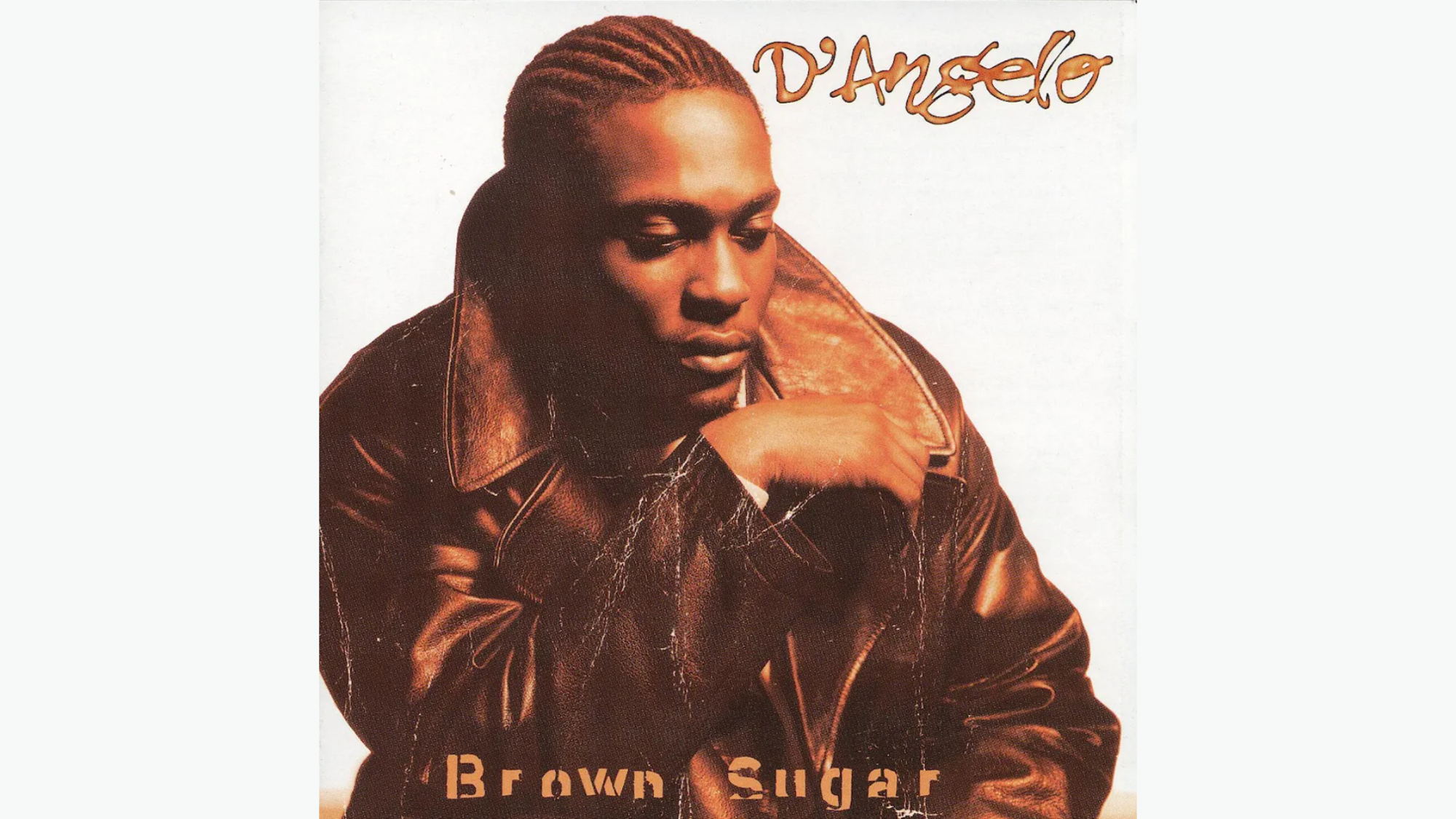
The music world is mourning the loss of D’Angelo — the Grammy-winning neo-soul pioneer whose voice, artistry, and spirit defined a generation. Michael Eugene Archer, known professionally as D’Angelo, passed away on October 14, at his home in New York City after a private battle with pancreatic cancer. He was 51.
His family confirmed the heartbreaking news in a statement: “After a prolonged and courageous battle with cancer, we are heartbroken to announce that D’Angelo has been called home. We are eternally grateful for the legacy of extraordinarily moving music he leaves behind.”
The loss comes during an especially tragic year for D’Angelo’s loved ones. In March 2025, his ex-partner and the mother of his eldest son, Grammy-nominated R&B singer Angie Stone, died in a car accident in Alabama. Their son, artist Michael Archer Jr. — known as Swayvo Twain — shared a touching message after his father’s passing: “It has been a very rough and sad year for me. Both my parents taught me to be strong, and I intend to do just that.” D’Angelo is also survived by his daughter, Imani, and younger son, Morocco.
Related
As news of his death spread, artists and fans across the globe began paying tribute to the man often hailed as the architect of modern R&B. Doja Cat called him the “true voice of soul,” while RCA Records described him as “a peerless visionary who changed music forever.” Tyler, The Creator shared a heartfelt post on Instagram, calling D’Angelo “a true alien” and crediting Voodoo with shaping his musical DNA. “We are so lucky to have been alive to enjoy his art,” he wrote.
Singer Jill Scott expressed her grief on X (formerly Twitter): “I never met D’Angelo but I love him, respect him, admire his gift. This loss HURTS!!” Maxwell, Jamie Foxx, and Tank also paid tribute, with the latter writing, “He was one of one. Nobody did it like him, and nobody ever will.”
Born in Richmond, Virginia, in 1974, D’Angelo’s musical journey began in the church, where he played piano and sang under the guidance of his Pentecostal preacher father. At just 16, he won Amateur Night at the Apollo, foreshadowing the raw talent that would later redefine soul music.
Influenced by Prince, Marvin Gaye, Al Green, and Fela Kuti, D’Angelo first gained attention in 1994 after co-writing and co-producing “U Will Know” for the R&B supergroup Black Men United — a track that featured Usher, Brian McKnight, and Boyz II Men.
His 1995 debut album, Brown Sugar, was a revelation. Blending gospel warmth, funk grooves, and hip-hop sensibilities, the album introduced neo-soul to the mainstream with timeless hits like “Lady” and the title track. It went triple platinum and earned a Grammy nomination, cementing D’Angelo’s reputation as a creative force.
In 2000, he released Voodoo, a bold, complex masterpiece that topped the Billboard 200 and won Best R&B Album at the Grammys. The sultry single “Untitled (How Does It Feel)” — and its now-iconic video — turned him into a reluctant sex symbol. The attention, however, weighed heavily on him. D’Angelo later admitted that the public fixation on his image made him uncomfortable and contributed to his retreat from the spotlight.
After Voodoo, he disappeared from the public eye for over a decade, struggling with substance abuse and the pressures of fame. A 2005 arrest for drug possession and a near-fatal car accident in 2006 marked a dark chapter in his life. But through it all, his influence only grew, with artists from Alicia Keys to Frank Ocean citing him as a major inspiration.
In 2014, he made a triumphant comeback with Black Messiah, a surprise release with his band The Vanguard. The politically charged project earned widespread acclaim, winning another Grammy for Best R&B Album and being hailed as a landmark in modern soul. In 2019, he contributed the haunting track “Unshaken” to the Red Dead Redemption 2 soundtrack, reminding fans of his enduring genius.
Across three studio albums, D’Angelo reshaped the sound of R&B — weaving together funk, gospel, and hip-hop with unmatched precision. His analog production style, lush instrumentation, and spiritual lyricism inspired generations of artists, from Anderson .Paak and H.E.R. to Brent Faiyaz and Tyler, The Creator.


Leave a Reply