
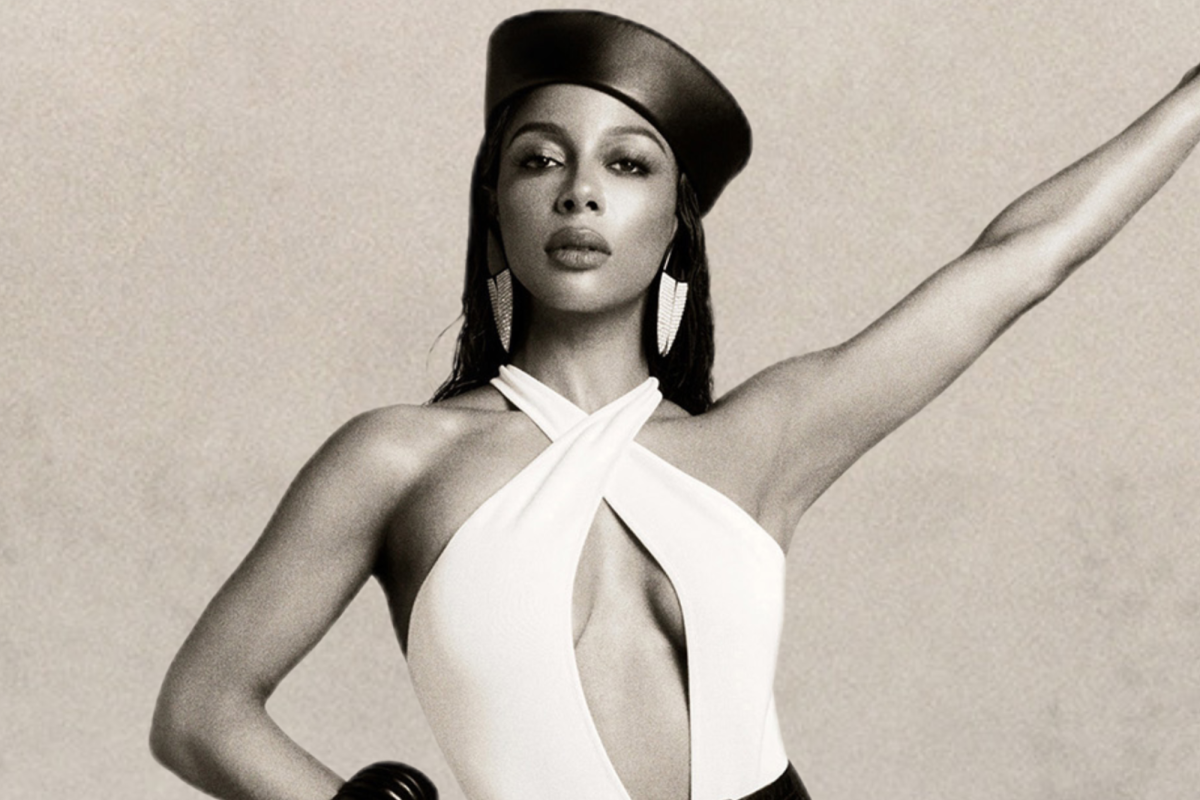
Victoria Monét’s Frequency of Love arrives as an ambitious 22-track statement that gives her room to explore romance, desire, motherhood and the many forms love can take without forcing the album into a single emotional lane. Running for just over an hour, the follow-up to her Grammy-winning Jaguar II could look intimidating on paper, but its sequencing, production and Monét’s consistently commanding vocals make the length feel far more natural once the record gets moving.
The album establishes that standard immediately with “All I Need,” a delicate opener that puts Monét’s voice at the center. It is a small moment, but one that establishes the personal perspective running through Frequency of Love: this is not simply an album about romantic relationships, but a broader exploration of connection and the people who shape Monét’s life.
That emotional range continues throughout the record. Victoria Monét moves comfortably between intimate slow burns, polished contemporary R&B, retro-soul textures and more rhythmically driven productions, creating a project that rarely feels locked into one sonic formula. The album’s three previously released songs — “Let Me,” “Reach Out” and “Juicy” — already hinted at that breadth, with “Let Me” becoming a No. 1 hit on Billboard’s Adult R&B Airplay chart and “Reach Out” bringing together the production instincts of Kaytranada and D’Mile.
“Juicy” remains one of the album’s clearest showcases of Monét’s ability to make classic R&B feel completely current. Built around clean electric guitar, warm bass and crisp percussion, the mid-tempo track carries a playful, seductive confidence, with layered harmonies and silky vocal runs giving the production an effortless feel. Her songwriting turns attraction into a game of wit and chemistry, using clever wordplay and monetary references to keep the flirtation moving.
Then comes “That’s Why I Love You,” one of the album’s most intriguing collaborations. Featuring Bruno Mars, the song opens with Italian lyrics before settling into a warm R&B groove colored by acoustic guitar, bass and brass. Monét delivers some of her strongest vocals on the entire album, while Mars matches her with his own polished performance; by the closing stretch, strings and acoustic flourishes give the track a cinematic quality that makes it feel almost timeless.
The record’s quieter moments are equally important. “Come Back To You” strips things back with delicate acoustic guitar, ambient vocal layers and restrained strings as Victoria Monét sings about the tension between an increasingly demanding career and the emotional pull of returning to someone she loves. “See You In My Dreams,” featuring SZA, takes a more atmospheric route, pairing a warm bassline, smooth guitar and lush harmonies with the intimate chemistry between the two singers.
Those contrasts are what ultimately make Frequency of Love work as a complete album rather than simply a collection of 22 songs. The production changes shape, the guest appearances bring different textures and the subject matter expands beyond romantic love, yet Monét’s voice acts as the thread connecting everything. Even at its longest, the album maintains a sense of continuity that keeps the hour-plus runtime from becoming overwhelming.
The guest list further expands that world, bringing together SZA, Bruno Mars, Bryson Tiller, Lucky Daye, Chlöe and Leon Thomas, while Hazel’s appearance adds another personal dimension.
Scroll down to see our full ranking of all 22 songs on Frequency of Love, from the album’s most unforgettable moments to the tracks that fall just short of its highest peaks.
Related
Score:


Leave a Reply