
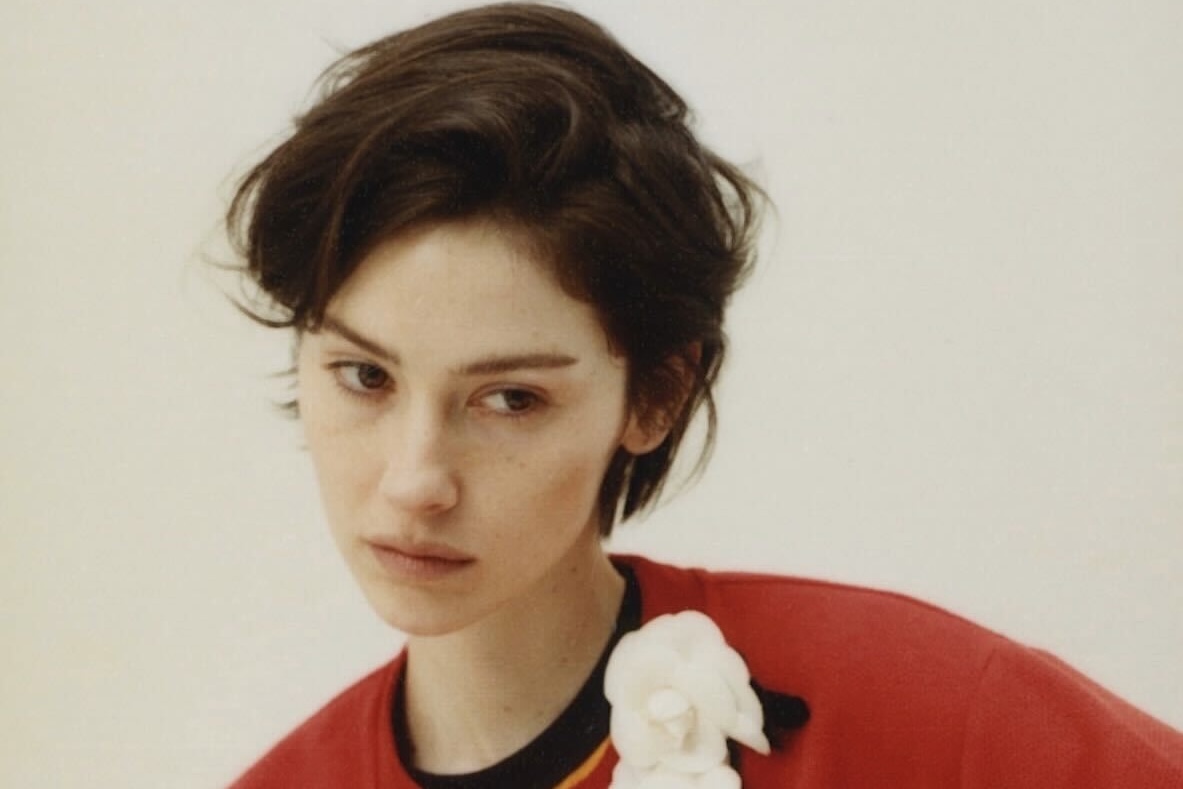
Gracie Abrams turns 27 today, September 7, and there is much more to her story than the hits, sold-out shows and famous family name. From accidentally becoming the voice of a major TV production logo to writing her first song about a lost journal, these ten details reveal the unusual path that shaped one of pop’s most personal songwriters.
Your daily dose of music news, trends, and fresh drops.
InMusic Newsletter
She Is One of the Kids Yelling “Bad Robot!”
Long before Gracie Abrams had a record deal, her voice was already appearing at the end of major television shows. When she was around two or three, her father, filmmaker J.J. Abrams, recorded Gracie and her older brother Henry saying “Bad robot!” into a PowerBook.
The recording became the audio for Bad Robot Productions’ famous end-card logo. It appeared across shows including Alias, Lost and Fringe, meaning viewers were hearing a very young Gracie for years without knowing it.
Her First Song Was About a Lost Journal
Gracie Abrams’ songwriting began with something much smaller and much more personal. In third grade, a teacher gave her class palm-sized pocket journals and checked the dates without reading their contents.
Gracie became obsessed with hers, but after losing the notebook, she sat in the garage, played a drum kit and wrote a song about it on kitchen sticky notes. There were no chords — just drums, frustration and lyrics about the missing journal. Guitar, ukulele and piano came later, but the habit of turning private experiences into songs stayed.
She Once Mailed a Love Letter to Robert Downey Jr.
Fourth-grade Gracie had three major interests: SpongeBob, pop music and Iron Man. Her admiration for Robert Downey Jr. became serious enough that she wrote him a letter, although she never received a response.
Another childhood musical confession was considerably darker. Abrams has recalled falling asleep every night to Green Day’s “Boulevard of Broken Dreams,” an unusual bedtime choice for an elementary-school kid.
Her First Tattoo Is a Tiny “A” for Her Brother
Before getting the Joni Mitchell “River” script tattoo on her forearm, Abrams secretly got a much smaller piece. The tiny “A” represents her younger brother, August.
The choice was deliberate: she placed the letter so the tattoo would point toward him. The siblings also share three freckles on their arms, although August has many more.
Her First Job Was Packing Cookies in Santa Monica
Before music became her career, Abrams worked at Cookie Good in Santa Monica, where she packed and sold cookies at the counter. The job came with one obvious perk: employees rarely took traditional lunch breaks because they were eating cookies and dough throughout their shifts.
Years later, Abrams still remembered the shop fondly. She even sent Cookie Good boxes to fans waiting in line for one of her appearances at the Grammy Museum.
She Cried Through Her First Solo Performance — on Purpose
Gracie Abrams’ first solo performance happened during a fifth-grade school assembly, but it was almost not a musical performance at all. She had originally planned to demonstrate a soccer trick before her mother, Katie McGrath, pointed out that music was what she actually loved.
Abrams ultimately performed Christina Aguilera’s “Beautiful” while hiding behind an upright piano and crying throughout the song. She would not perform solo in public again until she was being paid to do it. Soccer did not disappear from her life, either: she later broke both wrists while playing at The Archer School for Girls.
She Met Audrey Hobert Over Matching Converse
Abrams’ closest creative collaborator, Audrey Hobert, entered her life in a remarkably ordinary way. The two met outside a school bathroom during fifth-grade graduation after Hobert noticed that Abrams was wearing the same white high-top Converse shoes she had worn the previous year.
Their friendship developed in middle school, where they would sneak into classrooms to play guitar and sing Ed Sheeran songs on the bus. Hobert eventually became a key collaborator on Abrams’ music, co-writing much of The Secret of Us, including “That’s So True.” The pair have also lived together as adults.
She Was Making Music Online Before Interscope — Without a Phone
At 13, Gracie Abrams uploaded original songs and a Phoebe Bridgers cover to SoundCloud. Her internet presence was limited by strict rules at home: she did not have a personal phone until eighth grade and could not have a public Instagram account until she was 16.
Once those restrictions changed, bedroom videos became the foundation of her early audience. The footage was intentionally unpolished, with laundry visible in the background and mistakes left in the recordings. During the pandemic, she also hosted small Zoom “Minor Bedroom Shows,” limiting each city to roughly 100 fans.
She Can Do a Handspring and Thinks It’s Useless
Abrams has repeatedly cited a standing handspring as one of her secret talents. She has even joked about beginning a tour by flipping onto the microphone.
The handspring is another strange link to the athletic side of her childhood, which included soccer alongside music. These days, however, her most recognizable interaction with audiences is considerably less acrobatic: she frequently waves back at individual fans, spawning a small TikTok phenomenon around people posting that “Gracie waved at me.”
She Left Barnard After One Year — But Is Technically Still on Leave
After graduating from The Archer School for Girls, Abrams enrolled at Barnard College in New York to study international relations. She completed her freshman year before taking a break to pursue music full-time.
Abrams has described the decision as a leave of absence rather than a traditional dropout, leaving the door technically open. Barnard also gave her an early glimpse of what fame might become: a stranger recognized her in real life there for the first time, making it clear that the audience she had built online was beginning to follow her into the real world.


Leave a Reply