
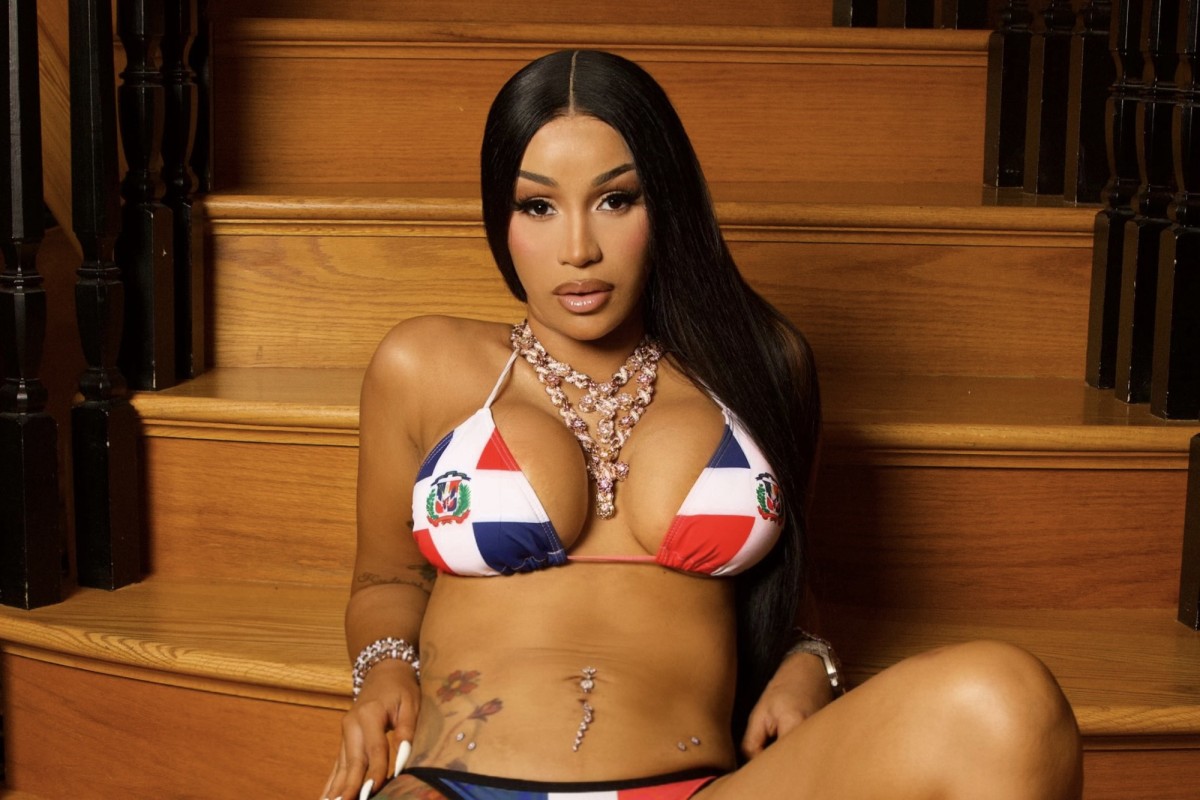
Cardi B is responding to the renewed debate surrounding her comments about colorism, pushing back against claims that her lighter complexion was the primary reason behind her success. In a lengthy statement shared on X, the Grammy-winning rapper addressed a resurfaced clip from a 2024 Instagram Live, acknowledged the advantages lighter-skinned women can experience in entertainment, and defended the work that helped build her career.
The statement follows a discussion on the Joe Budden Podcast involving Mona, also known as Don’t Call Me White Girl, who recently reacted to a shortened version of Cardi’s livestream. During the original 2024 broadcast, Cardi argued that her achievements could not be reduced to her skin tone, pointing to her marketing strategy, audience research, consistency, and ability to connect with fans. Mona, meanwhile, maintained that colorism can give lighter-skinned women an advantage when entering the entertainment industry, even while recognizing Cardi’s talent and work ethic.
Your daily dose of music news, trends, and fresh drops.
InMusic Newsletter
Cardi made clear that she has never denied the existence of colorism. Recalling her time working in New York strip clubs, she said she personally witnessed how men treated her compared with darker-skinned women. She also highlighted the broader consequences of colorism, including discrimination in workplaces and the justice system, stressing that acknowledging those inequalities does not mean dismissing her own experiences.
However, Cardi took issue with the suggestion that her complexion alone explains her career trajectory. She recalled facing criticism early in her rise because of her teeth, acne, braids, speech, and background as a stripper. According to the rapper, people frequently dismissed her as someone who could not become a star, leaving her to work harder to prove that she was more than her appearance or the way she spoke.
She also argued that initial access and long-term success are two different things. While lighter-skinned women may find it easier to get their foot in the door, Cardi believes opportunities are sustained through strategy, reliability, consistency, and talent. She pointed to other light-skinned women who received similar access but did not secure the same deals or opportunities, emphasizing the importance of understanding an audience and delivering what consumers want.
The rapper’s frustration with Mona extended beyond the disagreement itself. Cardi said the podcast co-host had contacted her privately for years seeking advice about personal matters, surgery, career development, pitching, and brand deals. She questioned why Mona chose to publicly challenge a 13-second excerpt from a 15-minute livestream instead of reaching out directly for clarification.
Cardi further suggested that Mona had brought the old clip back into the conversation to deflect attention from the backlash surrounding her earlier comments about Tia Kemp. The dispute began after Mona criticized Kemp’s comedy credentials despite her ability to sell tickets and attract audiences, prompting a public exchange between the two.
By connecting the two controversies, Cardi accused Mona of using a sensitive discussion about colorism as a shield while facing criticism for her remarks about another Black woman.
Read the full statement below:


Leave a Reply